2 hours ago
Latest Updates
Featured Posts
Get in Touch
Location:
123 Innovation Street
Tech District, CA 94105
123 Innovation Street
Tech District, CA 94105
Email:
[email protected]
[email protected]
Phone:
+1 (234) 567-890
+1 (234) 567-890
Cadillac Utilizes Apollo Program Playbook to Construct Unit from Nothing for Melbourne Race Debut.
A little more than a full year previously at the Las Vegas Grand Prix, the Cadillac racing team were at last awarded the official approval as Formula One’s newest participant for the 2026 season. Constructing the team from nothing has entailed a hectic work rate that the team boss, Graeme Lowdon, has compared to the NASA lunar mission. As the sport descends on Vegas this weekend, the team understand time is getting tight.
The Countdown to Australia
At the season finale of the campaign to be staged in the United States, with just over a hundred days to go before they make their debut for the inaugural time in Melbourne at the 2026 opener, the Cadillac F1 project have advanced rapidly but, in what must seem like a never-ending challenge, they are aware there will never be adequate time.
The technical director, Nick Chester, became part of the nascent operation in the spring of 2023 soon after it was formed, when the organization were without even an confirmed place. He has been at its core from that point and enjoys a wry smile when considering the journey.
“You can have five minutes looking back at what you have accomplished and go: ‘Amazing, what an achievement what we’ve done in under three years,’” Chester states. “And then the next minute you realize: ‘Yes, we still have a great deal to do.’”
A Unique Task
The CTO achieved victories at Renault in the driver Fernando Alonso's title-winning campaigns of 2005/2006 and was in control of technical development at the then-new Mercedes Formula E team, but nothing has truly matched the challenge of introducing the iconic American Cadillac name, a factory team backed by the parent company, GM, into Formula One.
“Establishing an Formula One team from scratch, when will you ever have the possibility to do that?” he says. “There's nothing comparable. In an well-set team you rarely get the possibility to change organizational mindset.”
With each day that elapses focus are sharper on the looming decisive point in the Australian GP and expectations are being managed.
“It's reasonable to expect that a brand-new squad joining the grid is likely to start at the back but simply getting on to the grid will be an achievement in itself,” Graeme Lowdon stated earlier this year and while Nick Chester agreed with this sentiment he thought the squad had a statement to make as well.
“The initial objective we intend to prove is that we should be there,” he says. “In order that we turn up and we operate well. We aim to demonstrate that we are a serious contender doing the proper actions on the circuit. When we prove that we’re really credible, then we will focus on forward movement subsequently.”
Pilot Selection and Team Building Effort
In late summer they contracted Sergio Pérez and Bottas as their drivers for the 2026 season, a pair remarkable for their vast knowledge in performing at the leading positions in two championship-winning squads, the Red Bull team and Mercedes-AMG, and Bottas reflected the sentiment of combative optimism.
“Certainly, we have a realistic outlook,” he commented. “There’s going to be a massive task to do, and we expect probably a challenging beginning, because it is F1. But our goal isn't to stay at the back. I am confident given this organization, with these individuals, these people, there is every reason that we shouldn’t be able to progress rapidly to a competitive level and enjoy some success.”
To achieve that goal staff acquisition has been in full swing, with personnel now reaching over 400 and planned to reach the objective of 600 swiftly. In addition to their current base at the UK base, the organization are in the phase of completing an headquarters at the Fishers location in Indianapolis and there is the General Motors facility in North Carolina, where they are constructing the facility to build the 2029 engine, set for 2029 – in the meantime they will operate with Ferrari engines – and the aerodynamic facility in Germany. It is a complex organisation, at odds with the direction in F1 for increased consolidation, and has inspired the new cultural approach to which Chester alluded.
NASA Blueprint
“It’s highly modelled on the Apollo program,” stated Graeme Lowdon just before the Silverstone race in July. “We’re realistic, we recognize how tough it is. The deadlines, are extremely compressed. Well, we’re not putting a man on the moon, but it can seem that way.”
So they have implemented, as opposed to the usual hierarchical system, a decentralized management similar to that of Nasa’s, where there were a range of Apollo teams all tackling distinct elements of the mission across a variety of locations.
“When you must follow a protocol where a challenge emerges and they report it to their team leader, that manager consults a leader somewhere else, it travels back down, it becomes inefficient,” notes Chester. “So we empower people to handle things directly. Avoiding managerial sign-off for all decisions is much smoother and quicker.”
What Lies Ahead
The efficacy of this flexible methodology will be tested in the pressure of racing in 2026 and there is a significant degree riding on this for the sport, too. The Cadillac team have recruited as their reserve driver the 25-year-old American Colton Herta
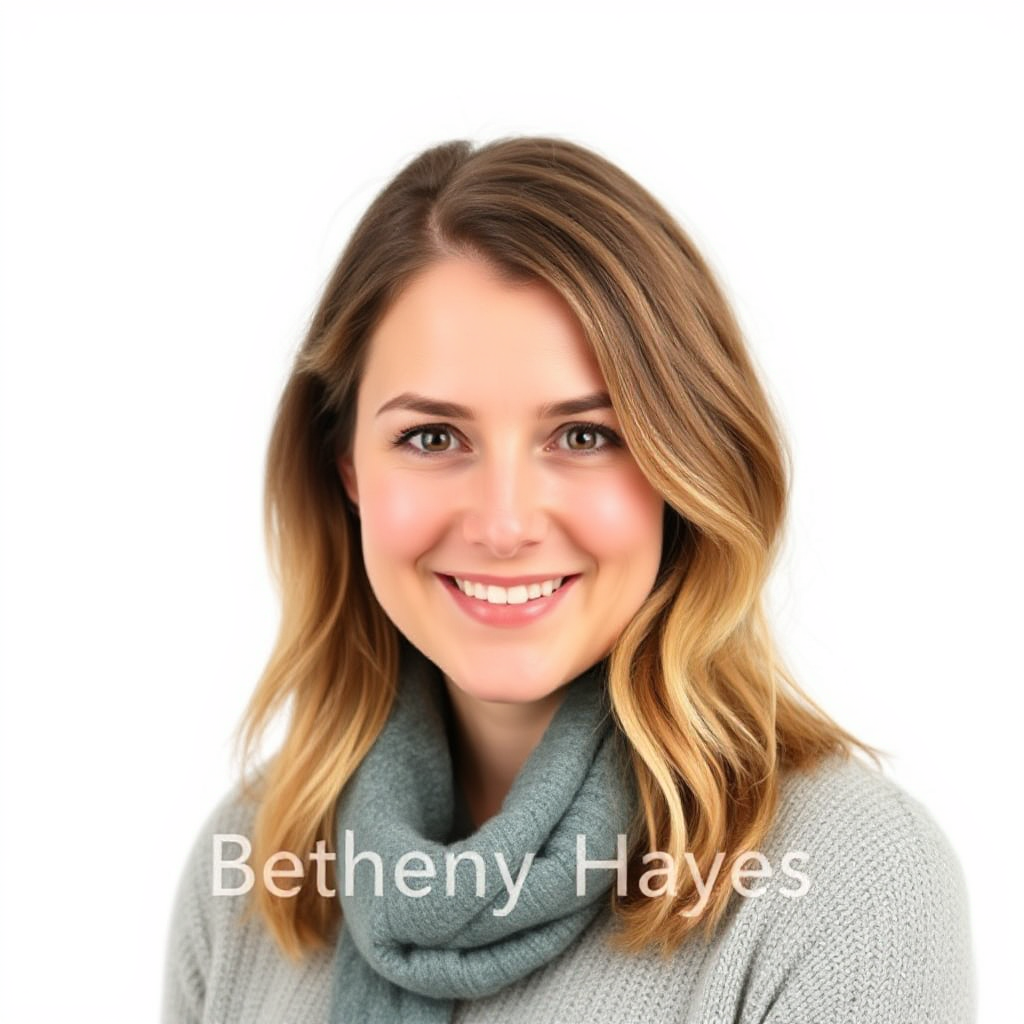
Bethany Hayes
A UK-based writer and cultural enthusiast with a passion for uncovering hidden gems across Britain and sharing lifestyle insights.

Sponsored News
News
The Anime Juggernaut Financial Impact: The Way This Anime Phenomenon Transformed Into a Box Office Saviour.
Bethany Hayes
03 Oct 2026
News
UK Security Service's Warning on Beijing's Persistent Spying Attempts in Britain
Bethany Hayes
03 Oct 2026
News
An Compassion of People We Don't Know: How a Man I Barely Knew Supported Me Land the Position That Changed My Life
Bethany Hayes
03 Oct 2026