2 hours ago
Latest Updates
Featured Posts
Get in Touch
Location:
123 Innovation Street
Tech District, CA 94105
123 Innovation Street
Tech District, CA 94105
Email:
[email protected]
[email protected]
Phone:
+1 (234) 567-890
+1 (234) 567-890
This Tug-of-War For CNN Shows The Extent to Which Flawed US Journalism Truly Is.
This past Thursday night, amid swirling speculation about an incident at Brown University, CNN’s Kaitlan Collins took to social media, highlighting the uncertainty and pointing viewers to her channel's 9pm newscast.
While the network is hardly a impeccable news source, her words seemed accurate to many. It is one of the organizations where one can locate fact-based and generally reliable reporting – notably during breaking news situations like the one unfolding near a New Hampshire storage facility.
A Precarious State During a Business Battle
However the news network, now middle-aged, finds itself in a precarious state as two huge media empires vie for ownership of its corporate owner, Warner Bros Discovery.
Regardless of who wins, the destiny of CNN has turned into a major game of mergers and acquisitions, not as a question of what serves the information-seeking public.
“This represents another instance of the profound systemic issues with origins in many years of regulatory actions,” stated Victor Pickard, author of “Democracy Without Journalism?” and a media policy professor at the Pennsylvania University.
The conjecture about the future owner of Warner Bros Discovery – will it be Netflix or Paramount Skydance? – fails to grasp a broader point.
“It gets presented as a financial tale with key players as the central actors, but there is hardly any discussion of the public interest,” Pickard explained.
The Additional Factor: Political Influence
This situation is made more complex by Donald Trump’s opinions about a network he has long portrayed as perhaps his chief “fake news” adversary.
Recall the cries of “CNN sucks!” at Trump's rallies, his administration’s punitive withdrawal of reporter Jim Acosta’s press credentials, or his clashes with Collins in official meetings.
Trump now asserts that CNN needs new ownership. Many see this as a desire for ownership that will insulate him from criticism and scrutiny. That is a factor in why he seems to come down on the side of Paramount Skydance, which has made a hostile bid.
He has grounds to prefer that company more. For one thing, it is led by David Ellison, son of the pro-Trump Larry Ellison, one of the world’s richest people.
Paramount, owner of CBS News, also recently placed the conservative Bari Weiss, known for her “anti-woke” beliefs, as the lead editor of that storied news network.
A Possibility of Continued Uncertainty
It is important to note, if Netflix is successful, CNN and other cable outlets would first be spun off into a separate entity. Such a move could be a welcome development to many at the network, but it’s hardly a guarantee of stability. That setup could position CNN for a future sale. There is no finish line.
According to Timothy Wu, a lot of this is against the law, anyway. The influential voice of big tech’s dominance stated that anti-trust laws should block both deals.
“Either merger would be bad for the country, and both should be opposed by regulators,” Wu stated.
The Core Issue and a Path Forward
Regardless of the resolution with this particular battle, the underlying crisis remains.
“The present media landscape is a highly system hostile to democracy, but we ought not succumb to a sense of powerlessness,” Pickard said. Government actions – originating in the 1930s and 1940s – helped to create this profit-obsessed monster, and different policy decisions can address it.
Will that happen in an era where the top communications regulator will not confirm that the agency is independent? Reform is highly improbable now, but that doesn’t mean it will be impossible forever.
Initiatives that strengthen independent news organizations, aid local journalism, fund public media, and outlaw the consolidation of media power in very few hands are achievable – they are vital for a robust democracy.
In the world of media ownership, bigger isn’t better. And news organizations including CNN shouldn’t be pawns in the latest corporate chess match.
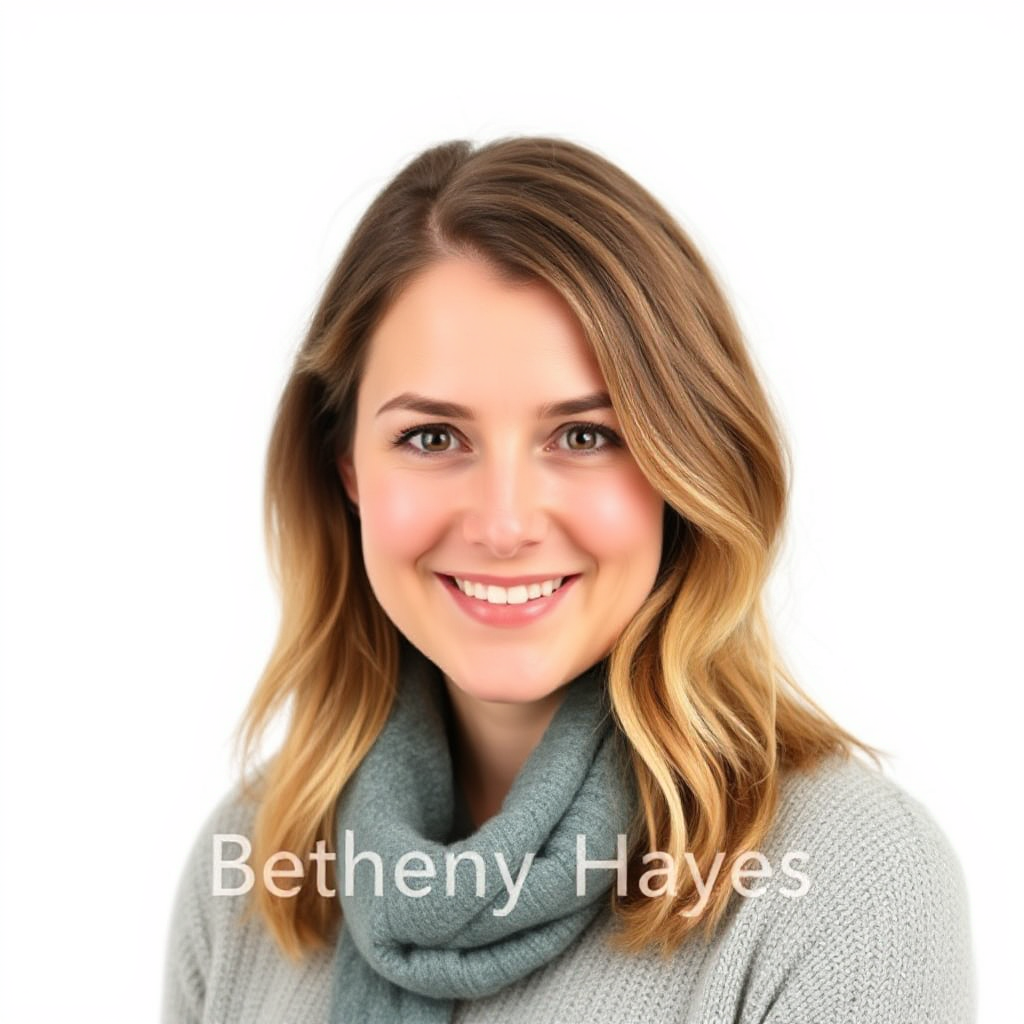
Bethany Hayes
A UK-based writer and cultural enthusiast with a passion for uncovering hidden gems across Britain and sharing lifestyle insights.

Sponsored News
News
The Anime Juggernaut Financial Impact: The Way This Anime Phenomenon Transformed Into a Box Office Saviour.
Bethany Hayes
03 Oct 2026
News
UK Security Service's Warning on Beijing's Persistent Spying Attempts in Britain
Bethany Hayes
03 Oct 2026
News
An Compassion of People We Don't Know: How a Man I Barely Knew Supported Me Land the Position That Changed My Life
Bethany Hayes
03 Oct 2026